This course provides a comprehensive overview of how Artificial Intelligence is transforming science and engineering in high-impact domains, from fundamental research to large-scale infrastructures. It combines conceptual lectures with hands-on sessions, offering participants both strategic insight and practical skills.
The programme traces the evolution of AI—from predictive models to generative approaches and emerging agentic systems—highlighting their implications for scientific discovery and complex engineering challenges. It also explores cutting-edge applications of AI in large research infrastructures, including fusion and particle accelerators, as well as in industry sectors such as biopharma, with a particular focus on IFMIF-DONES.
Participants will gain exposure to advanced topics such as counterfactual machine learning, domain-specific large language models, self-supervised monitoring systems, and AI-driven optimisation in scientific and industrial environments. Practical sessions will allow attendees to engage directly with tools and methodologies used in real-world applications.
The course features contributions from leading experts across academia, industry, and international organisations.
Overall, the course is designed for PhD students, early-career researchers, and professionals interested in understanding and applying AI to complex scientific and engineering environments, fostering interaction across disciplines and sectors.
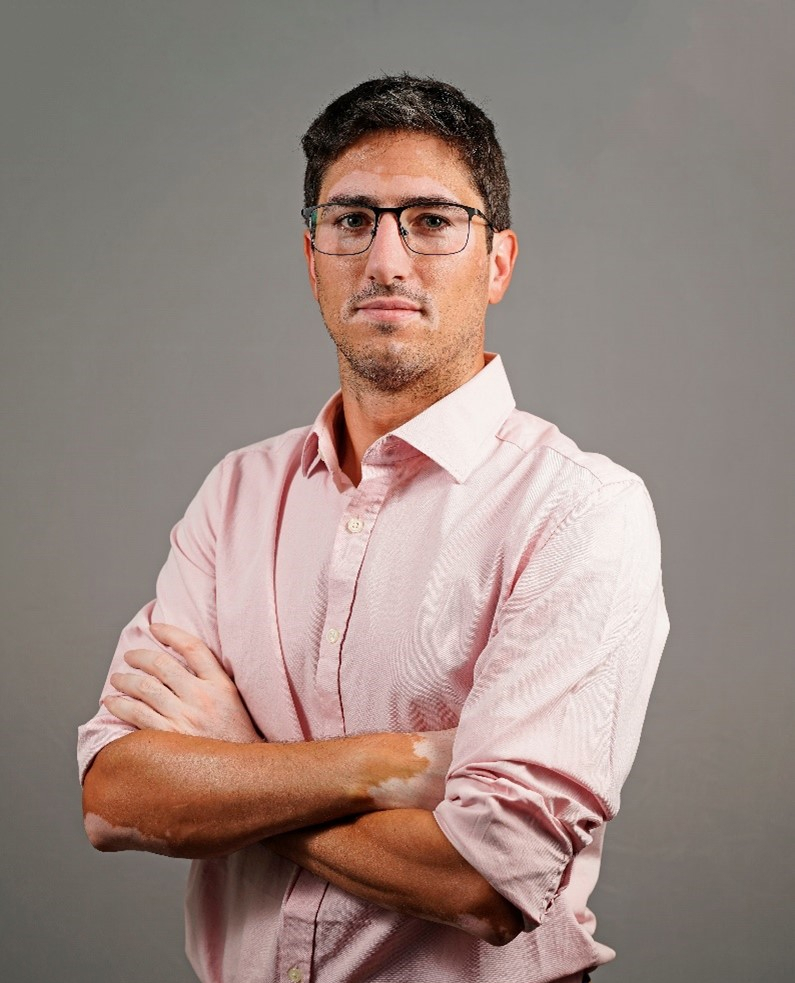
Agustín Alemán
IDOM Partner. Artificial Intelligence Alignment Team
This course offers an in-depth introduction to IFMIF-DONES, one of Europe’s key infrastructures for the development of fusion energy. It focuses on the scientific and technological challenges associated with its construction and operation, and its central role in qualifying materials for future fusion power plants.
Participants will explore the core components of the facility, including the accelerator system, target technology, and the behaviour of materials under extreme irradiation conditions.
The programme also places IFMIF-DONES within the broader European fusion roadmap, highlighting its importance in the transition towards DEMO and future reactors.
Beyond the technical dimension, the course provides insight into the implementation of large-scale scientific infrastructures, including international collaboration, industrial participation, and the integration of research, engineering and deployment.
The programme includes a guided visit to the IFMIF-DONES facilities in Escúzar, offering a unique opportunity to experience this next-generation infrastructure first-hand.
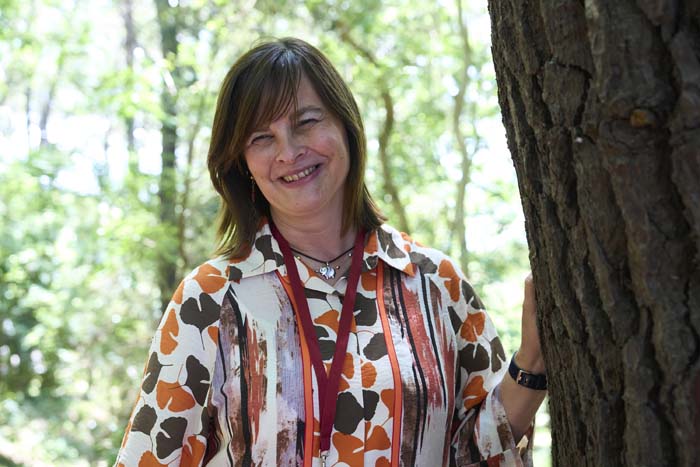
Carlos Alejaldre
Fusion for Energy (F4E). Chairman of the Governing Board of the European Joint Undertaking